The Pirates' Code: How Outlaws Created Democracy at Sea
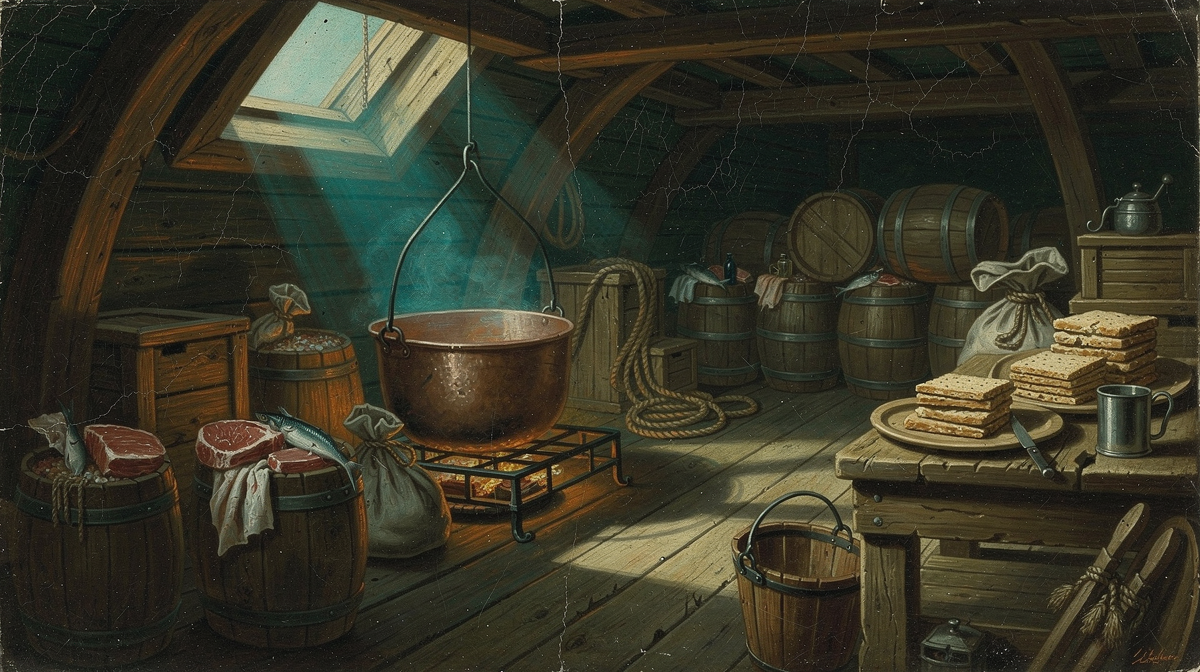
When most people think of pirates, they imagine chaos. Lawlessness. Every man for himself in a brutal scramble for gold and glory. And sure, there was plenty of that. But here's what the romanticized versions rarely tell you: pirate ships in the Golden Age were often more democratic than the "civilized" societies they rebelled against.
No, really. Let me explain.
The Problem with "Legitimate" Ships
In the Royal Navy and on merchant vessels of the 1690s-1720s, the captain was God. His word was absolute law. Flogging for minor infractions was standard. The food was terrible, the pay was worse (when it came at all), and if you got injured in the line of duty? Well, you were lucky if they didn't just dump you at the next port.
Officers came from wealthy families or bought their commissions. Common sailors—pressed into service against their will, often—had no say in where they sailed, how they were treated, or how the ship's profits were divided. Class hierarchy was rigid and immutable.
Enter the Pirates' Articles
When sailors mutinied or went "on the account" (pirate speak for joining the sweet trade), one of the first things they did was draft a set of ship's articles. These were essentially contracts that every crew member voted on and signed.
Here's where it gets fascinating.
Captains were elected. Not appointed by some distant admiral or wealthy merchant company—elected by the crew. And they could be removed by majority vote if they proved incompetent or tyrannical. The captain's authority was absolute during battle or pursuit, but in peacetime, major decisions went to a crew vote.
Quartermasters held real power. This position, also elected, represented the crew's interests. The quartermaster managed daily operations, settled disputes, and—critically—controlled the distribution of food, supplies, and plunder. Think of them as a combination shop steward and executive officer. On many ships, the quartermaster had more day-to-day authority than the captain.
Shares were defined and fair. Unlike naval or merchant vessels where officers got wealthy while common sailors starved, pirate articles specified exactly how captured treasure would be divided. A typical split might be:
- Captain: 1.5 or 2 shares
- Quartermaster, master gunner, boatswain: 1.25 shares
- Able seamen: 1 share
- Newer crew or non-combatants: 0.75 shares
Compare this to a merchant ship where the captain might pocket 90% of the profits while the crew fought over scraps.
Disability insurance—in the 1700s. Many pirate articles included specific compensation for injuries sustained in battle:
- Loss of right arm: 600 pieces of eight
- Loss of left arm: 500 pieces of eight
- Loss of right leg: 500 pieces of eight
- Loss of left leg: 400 pieces of eight
- Loss of eye or finger: 100 pieces of eight
(The right-side injuries paid more because most people were right-handed, making those losses more debilitating for future work.)
Democracy in Action
The articles of Bartholomew Roberts' ship (active 1719-1722) included rules like:
- Every man has equal vote in affairs of moment
- Every man has equal title to fresh provisions or strong liquors
- No striking another crew member aboard ship (disputes settled ashore)
- Lights and candles out by eight o'clock (earlier bedtime than most modern adults!)
- Musicians get Sundays off (apparently even pirates valued work-life balance)
Women and boys were forbidden on board some ships, though this rule was frequently ignored. Anne Bonny and Mary Read famously served on Calico Jack Rackham's crew, and there's evidence of many other women in pirate companies.
Why This Matters for Crimson Cross
When Samuel Drayton joins his first crew in my novel, he's coming from Charleston's rigid social hierarchy. As the son of a decorated military leader and wealthy landowner, he's never been an equal to anyone—he's either been superior to servants and commoners, or inferior to nobility and governors.
The pirate ship's democracy is genuinely shocking to him at first. He has to be voted onto the crew. His opinions are weighed based on their merit, not his family name. When he screws up (which he does, spectacularly, in an early chapter), the crew holds him accountable regardless of his background.
It's one of the key transformations in his character arc: learning that real leadership is earned through competence and character, not inherited through birth. The pirates he initially views as lawless criminals turn out to have more genuine honor and fairness than the "civilized" colonial officials who destroyed his family.
The Historical Irony
Here's the kicker: while the American colonies were still decades away from their revolution, while European monarchies ruled absolutely, while "democracy" was considered a dangerous radical idea—pirates were already practicing it.
They were outlaws, yes. Violent, often brutal, sometimes cruel. But they were also experimenting with egalitarian governance, workers' rights, and disability compensation at a time when those concepts barely existed in mainstream society.
The next time you see a pirate movie where the captain rules with an iron fist and absolute authority, remember: the real history was far more interesting. And in many ways, more democratic than the world these sailors had escaped.
Keep reading the saga
Get the first chapter of Crimson Cross: Azure Waves free, or preorder the book.
Send me Chapter One